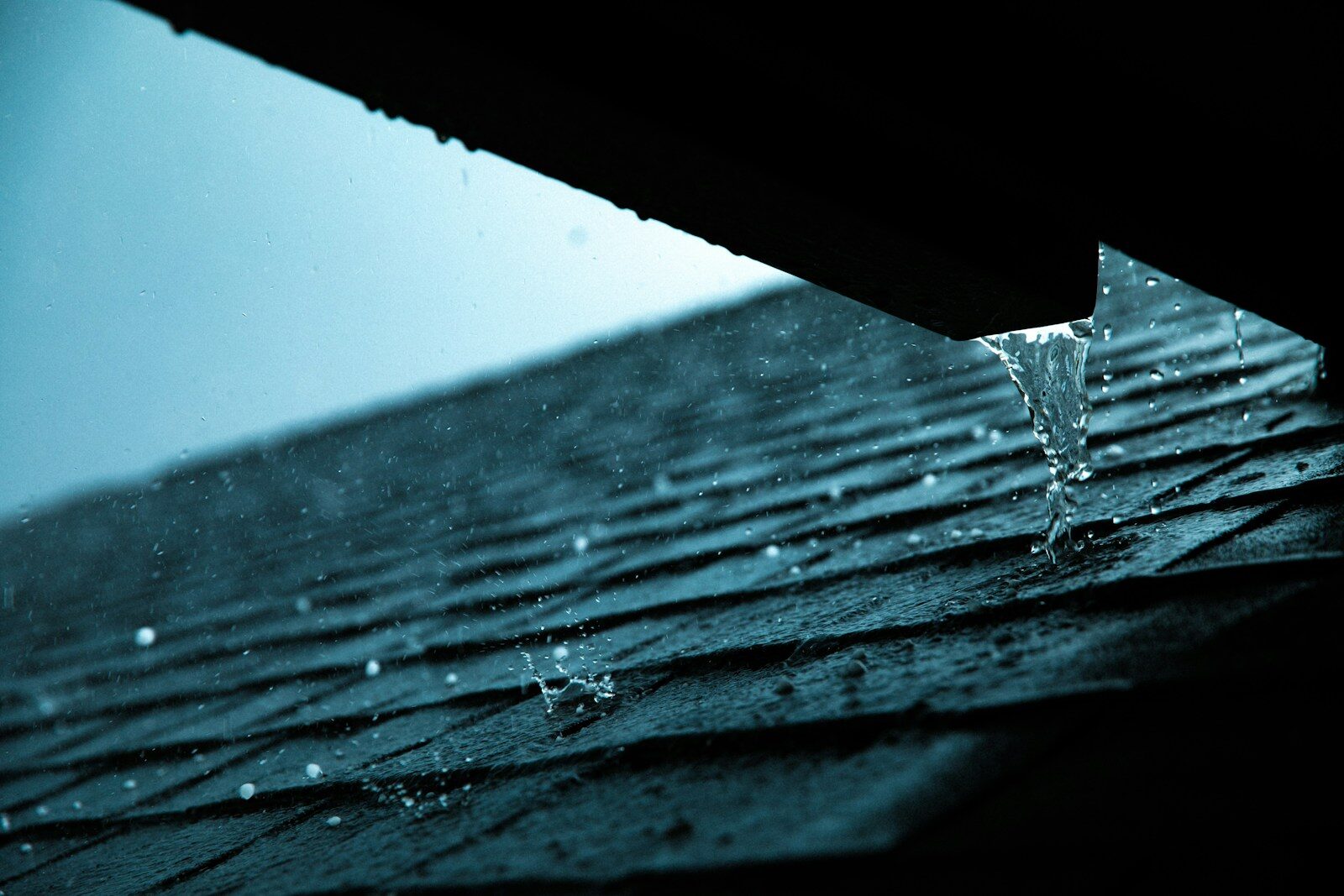
In Central Florida, your roof is your primary line of defense. It takes a relentless beating from intense ultraviolet radiation, torrential afternoon downpours, and the high winds of tropical storm season. Knowing exactly when it is time for a replacement can save you from catastrophic interior water damage, mold remediation, and denied insurance claims. Here are the critical signs that your roof is nearing the end of its lifespan.
Exterior Warning Signs
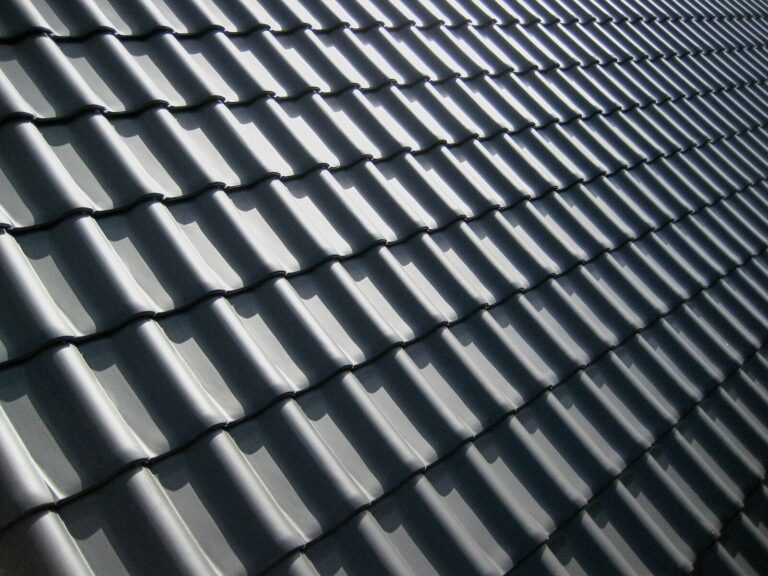
You should routinely inspect your roof from the ground using binoculars. The most obvious signs of failure are visible on the shingles themselves. Look for areas where the shingles are curling at the edges, cracking down the middle, or missing completely. These issues are often caused by prolonged sun exposure and high winds.
Another major red flag hides in your gutters. Asphalt shingles are coated in tiny, rough granules that protect the asphalt layer from UV rays. As a roof ages, these granules detach and wash down into the gutters during heavy rain. If you clean your gutters and find a thick layer of heavy, black sand, it means your roof has lost its protective coating and is rapidly deteriorating.
Interior Clues You Cannot Ignore
Sometimes the most serious roofing issues are discovered inside the house. You should regularly check your ceilings and the top corners of your walls for any brown, ring-like water stains. Even a tiny spot indicates water is finding a path through the roofing underlayment.
If you have access to your attic, take a flashlight up there during a sunny day. If you can see beams of sunlight peaking through the roof boards, water can easily get through those same holes. Additionally, look at the geometry of your roofline from the street. If you notice any sagging or dipping in the center, this indicates serious structural rot in the decking beneath the shingles, which requires immediate professional attention.
The Energy Bill Indicator
Your roof does more than keep the rain out; it regulates the temperature of your home. A failing roof loses its ability to reflect solar heat. If the insulation and ventilation in your attic are compromised by a deteriorating roof system, trapped hot air will force your air conditioner to run constantly. If you notice a sudden, unexplained spike in your summer cooling costs, your roof might be the hidden culprit.
Age and Insurance Factors
Finally, you must consider the age of the materials. In Florida, an architectural shingle roof generally lasts between fifteen and twenty years. However, even if your roof is not actively leaking, the twenty-year mark is critical. Many Florida homeowners insurance companies will refuse to write a new policy, or will drop your existing coverage, if your roof is older than fifteen years. Being proactive and scheduling a professional inspection before the insurance company demands it gives you control over the replacement timeline.
Are you looking for the perfect home with a spacious, fenced-in backyard where your dog can run, play, and thrive. The Florida Heartland Team is here to help. As your trusted real estate experts, we understand that finding a home is not just about you, it is about the whole family, including the four-legged members. We are ready to be your dedicated partner in this journey. Contact the Florida Heartland Team today for all your buying and selling needs. Call or text us anytime at 863-238-7999.