The Final Hurdles
The sign in your yard finally has a “Pending” rider, and for the first time in weeks, you breathe a deep sigh of relief. The hardest part is over, right? While accepting an offer is a monumental step, the most complex and often nerve-wracking phase of the sale has just begun. This is the “due diligence” period, typically lasting 30 to 45 days, where the buyer and their lender conduct a thorough investigation of your property.
This phase is dominated by two major events: the home inspection and the lender’s appraisal. For a For Sale By Owner (FSBO), this period is where a promising deal can quickly unravel. It’s a minefield of technical reports, unexpected findings, and delicate re-negotiations that require a steady, experienced hand to navigate. This is where a real estate professional truly proves their worth, acting as your guide and advocate to ensure a smooth path to the closing table.
Managing the Home Inspection: The Negotiation After the Negotiation
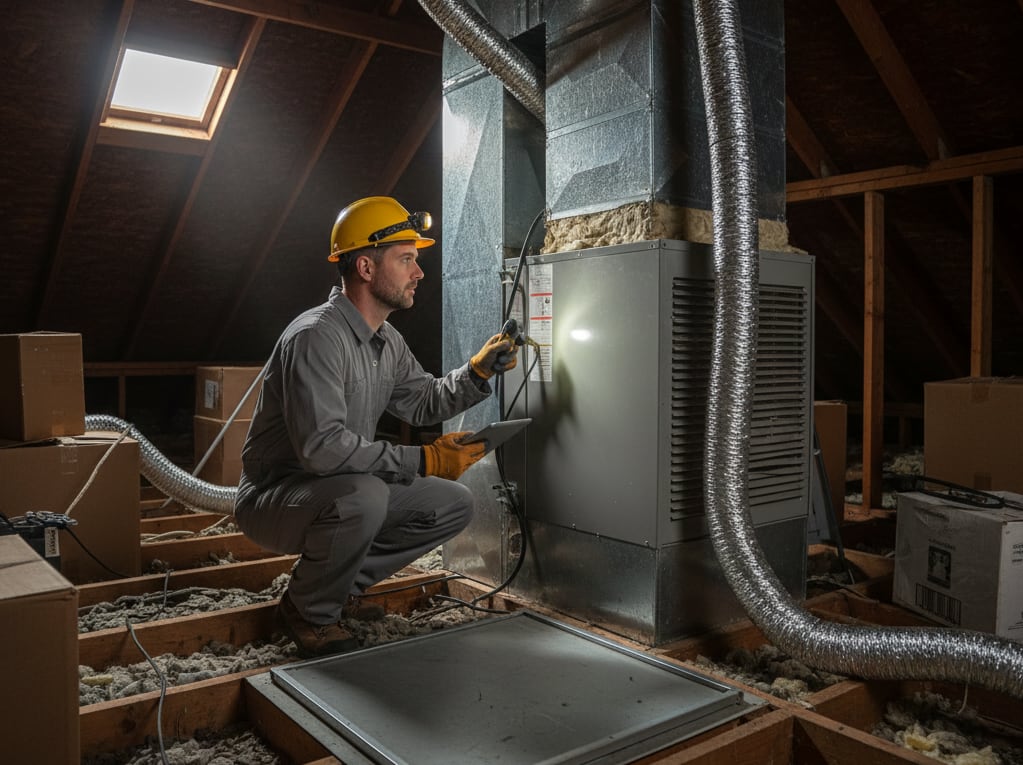
A home inspection is a comprehensive, non-invasive examination of your property’s condition. A licensed inspector will spend several hours looking at the major systems of your home—from the roof to the foundation, including the HVAC, plumbing, and electrical systems.
- What Inspectors Look For: It’s important to understand that a home inspector’s job is to find problems. Even in a brand-new home, their report will contain a list of findings. They are trained to identify everything from minor issues (like a cracked outlet cover) to potentially significant defects (like signs of an old roof leak or an aging air conditioner).
- Deciphering the Report: The buyer will receive a long, daunting report, often 50 pages or more, filled with photos, technical jargon, and a summary of defects. For a seller, seeing this can be alarming. This is where an agent’s experience is crucial. We help you read between the lines, distinguishing between the three main categories of findings:
- Minor/Cosmetic Issues: These are small imperfections that are typically not part of a negotiation.
- Legitimate Repair Needs: These are genuine, often previously unknown defects that need to be addressed. This is the core of the post-inspection negotiation.
- Major “Red Flag” Problems: In rare cases, an inspection uncovers a serious structural or safety issue that could become a “deal-breaker.”
- Our Role in the Re-Negotiation: Once the buyer reviews their report, they will almost always come back with a list of requested repairs. As your advocate, we manage this entire process. We analyze their request to determine if it’s reasonable, help you get quotes for potential repairs, and advise you on the best strategic response. The solution isn’t always to fix the items yourself. Often, it’s better to offer the buyer a credit at closing, allowing them to make the repairs to their own satisfaction after the sale. We handle this delicate negotiation to find a solution that is fair, protects your bottom line, and keeps the buyer satisfied and the deal moving forward.
Navigating the Lender’s Appraisal
If your buyer is getting a mortgage, their bank will require an official appraisal from a licensed appraiser. This is one of the most misunderstood steps in the entire process.
- Why the Appraisal Matters: The appraisal is not for you or the buyer; its sole purpose is to protect the lender’s investment. A third-party appraiser is hired to determine the fair market value of your home. The bank will only lend the buyer an amount up to the appraised value. If the home appraises for less than the agreed-upon purchase price, it creates a “valuation gap.”
- The Challenge of a Low Appraisal: A low appraisal can stop a deal in its tracks. For example, if your home is under contract for $350,000 but the bank’s appraisal comes in at only $340,000, the lender will only approve a loan based on the $340,000 value. This leaves a $10,000 shortfall that must be resolved. For a FSBO, this can be a shocking and deal-killing moment. A low appraisal can happen for several reasons: the appraiser may have used poor comparable sales (like a foreclosure or a home in inferior condition), or in a rapidly rising market, recent sales data may not have caught up to current values.
- How We Help: While the appraisal is an independent process, our work isn’t over when the appraiser leaves. If the value comes in low, we immediately get to work. As your agent, we are skilled at navigating the options. We will:
- Analyze the Report: We thoroughly review the appraiser’s report, looking at the comparable properties they chose and the adjustments they made. We can often identify errors or inconsistencies.
- Challenge the Valuation: If we find legitimate issues, we can help you provide the lender with a well-documented “Reconsideration of Value.” This package includes more appropriate comparable sales and highlights features of your home that the appraiser may have overlooked.
- Negotiate a Solution: While a challenge is being considered, we also open a dialogue with the buyer’s agent. We are experienced in negotiating solutions to bridge the gap, which could involve the buyer bringing more cash to closing, you reducing the sale price, or a combination of both.
Your Expert Guide to the Closing Table
The period between contract and closing is where an agent’s experience as a project manager, negotiator, and problem-solver truly shines. Our job is to anticipate the turbulence, absorb the shocks, and navigate the challenges of this final phase, ensuring you have a smooth landing at the closing table.
Rich Williamson Real Estate Agent • PolkCountyTeam.com • team@floridaheartlandteam.com • 863-238-7999